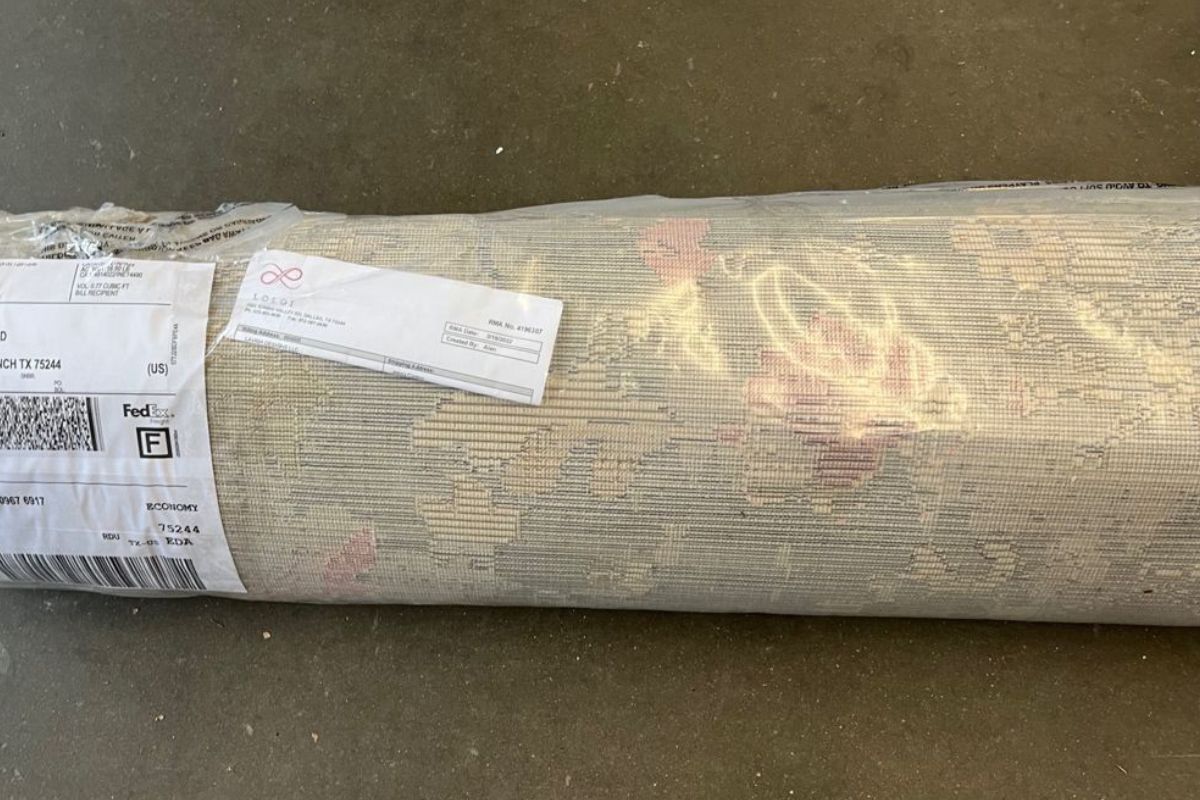
Possibly, and whether you get a bill depends on four things your own country decides: the customs value of the rug, how it is classified for tariff purposes, where it is deemed to originate, and the thresholds your country applies below which nothing is charged. This guide publishes no rates and no thresholds, because they differ by country, they change, and a wrong number here would cost you real money. What it does explain is the mechanism, so you know what to look up and what you are being asked to sign.
Why this page has no numbers in it
Every reader of this page is importing into a different jurisdiction. Duty rates, sales or value-added tax on imports, de minimis thresholds, handling fees and the treatment of personal effects all differ by country, and several of them have changed in recent years.
Forum answers are where most people get this, and they are the worst source available: written by someone in a different country, on a different date, about a different value, and almost never updated. A confident answer from 2019 about a package into one country tells you nothing about yours.
So the useful thing this guide can do is name the moving parts and point you at the only authority that can answer for you, which is your own national customs administration. Written in 2026, and worth re-checking, because this is exactly the kind of thing that moves.
The four moving parts
Customs value. Broadly, what you paid, and depending on the country it may also include shipping and insurance. This is the base everything else is calculated on, and it is why the declared figure matters so much.
Tariff classification. Goods are classified under a harmonised code, and hand-knotted wool floor coverings often sit in a different category from machine-made ones. The classification determines the rate. It is not something to guess at, and it is a normal thing to ask a broker about on a large purchase.
Origin. Where the goods are deemed to come from, which affects whether any preferential trade arrangement between your country and Morocco applies. Origin is a technical determination, not simply where you bought it.
Thresholds. Most countries set a value below which duty, or tax, or both, are not collected, and the two thresholds are often different. Some also treat goods accompanying a traveller differently from goods shipped separately, which is one of the real advantages of carrying a rug yourself.
Who calculates it, and when you find out
You usually do not calculate any of this. The carrier or a customs broker submits a declaration on your behalf, the authority assesses it, and the charge appears either as a condition of delivery or as an invoice afterwards.
The practical consequence is that you often learn the figure at the worst moment: when the rug is already in the country and someone wants payment before releasing it. Carriers also add their own handling or brokerage fee on top of the duty and tax, which surprises people who budgeted only for the government's share.
If you want to know in advance, that is a question for a customs broker or your national customs helpline before you ship, using the actual value and a description of the goods. On a four-figure rug that call is worth making.
Declared value, and why under-declaring is your problem
At some point a seller may offer to declare a low value, or to mark the shipment as a gift or a sample. It is presented as a favour and it usually is not one.
Three things are true about it. The declaration is made on your behalf and you are the importer, so the legal exposure for a false declaration is yours, not the shop's. The declared value is also the ceiling on any insurance claim, so a rug declared at a fraction of what you paid is a rug you cannot claim properly for if it is lost or damaged. And if the goods are inspected and the value is obviously wrong, the consequences range from a corrected assessment and a penalty to seizure, again against you.
The "gift" route has the same shape. Gift allowances, where they exist, are defined narrowly and a purchase you made for yourself is not a gift. Sellers offering this are managing their own convenience, not your risk.
Declare what you paid, and keep the receipt that proves it.
What does not work
"It's for personal use." Personal use often changes which rules apply, and it rarely means nothing is owed. It is a category, not an exemption.
"It's antique, so it's exempt." Some countries treat genuine antiques differently for duty purposes, and the age thresholds are strict and require documentation. It also opens a separate question, because a genuinely antique rug may need an export permit from Morocco. Antique rugs and Morocco's export permit rule covers both ends. In practice most rugs sold as antique are not, as what "vintage" actually means explains.
"It's handmade, so it's duty-free." Handicraft provisions exist in some trade arrangements and they are specific, conditional and documented. They are not a general exemption you can claim by asserting it.
What to do before you ship
- Look up your own country's rules on its official customs website, not a forum, and note the date you checked.
- Ask the carrier whether duty and tax are collected on delivery or billed later, and what their handling fee is.
- Get a proper commercial invoice describing the rug, its materials, its construction and what you paid.
- Declare the real value. Insurance and legal exposure both follow it.
- Budget for it rather than being surprised by it. It is part of what the rug costs, which is why it belongs in what actually drives a Moroccan rug's price.
- On a large purchase, talk to a customs broker before shipping rather than after.
This guide is not legal or tax advice and cannot tell you what you will owe. For the shipping decision itself see shipping a rug home from Morocco, and for the offers that transfer risk to you, rug scams and the "avoid customs" offer.
FAQ
Will I pay customs duty on a rug from Morocco?
Possibly. It depends on your country's duty rate for that classification, its import tax, and the thresholds it sets. Only your national customs authority can answer it for your situation.
How much is customs duty on a rug?
This guide publishes no rate, because rates differ by country and change. Check your own customs authority, or ask a customs broker before shipping on a large purchase.
Should I let the seller declare a lower value?
No. You are the importer, so the exposure for a false declaration is yours, and the declared value is also the ceiling on any insurance claim if the rug is lost or damaged.
Is a rug I carry in my luggage treated differently from one that is shipped?
In many countries, yes. Goods accompanying a traveller are often handled under different rules from separately shipped goods. Check your own country's traveller allowance before assuming either way.
Are antique rugs exempt from duty?
Some countries treat genuine antiques differently, with strict age thresholds and documentation requirements. It also raises a separate export-permit question at the Moroccan end, and most rugs sold as antique are not old enough for either to apply.
Leave a Reply